
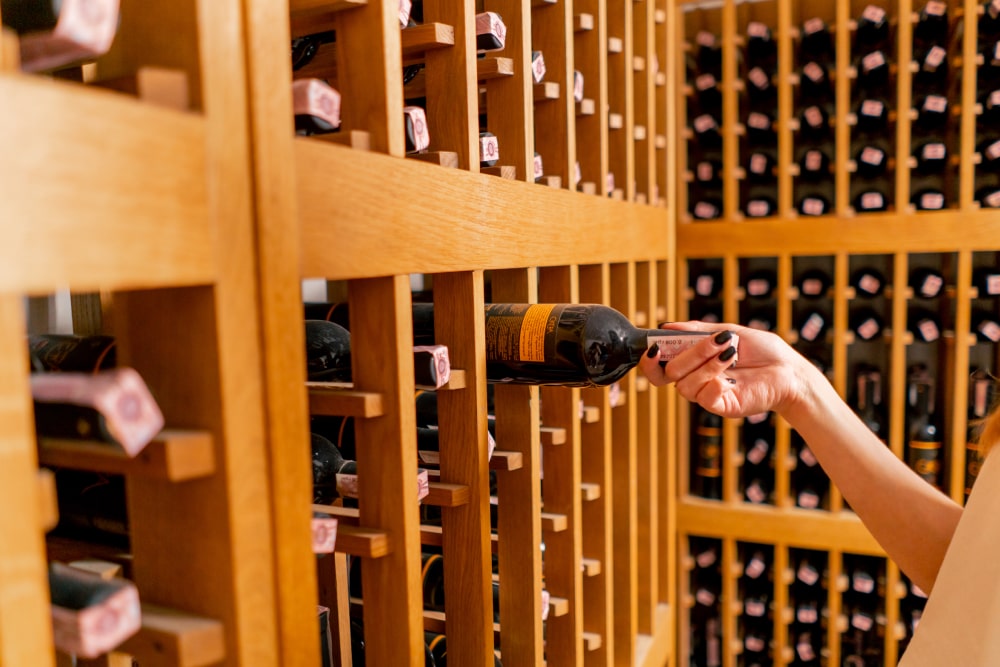
What are the key factors to consider when storing wine to maintain its value? Temperature, temperature, temperature. Proper wine storage practices like controlling humidity, ventilation, and vibration can all help to maintain the quality of your wine, but we cannot overstate the importance of climate control.
We know that many wine collectors will start out by storing cases in their wardrobes — but this is one of the worst things you can do. Wine ages four times faster at room temperature, even when kept in a dark place. The fluctuations in temperature will quickly give the wine a spoilt taste, and ruin the antioxidants and colour. In this article, we’ll explore what temperature you should store your wine at, how a winecellar cooling unit can protect your investment, and how long you should store each bottle.
The Effect of Temperature on Wine Ageing
The primary reason we cellar wine is to improve its flavour, reducing bitterness and astringency while maintaining aroma and colour. When you properly age a wine, you give it time for the tannins to develop. Those punchy Aussie reds you love are loaded with tannins, which can taste acidic when the wine is young. Given enough time, the tannins will soften, giving you a delicate mouthfeel while keeping plenty of flavour.
For this process to happen, you must maintain the right wine storage temperature. The Australian climate is challenging, with many houses reaching the temperature danger zones on either end of the thermometer throughout the year. Quality wine cellar construction will help you overcome these conditions and allow you to age your wines safely.
The Effect of Temperature on Wine Value
Aged wines are more valuable because of their improved flavour, but wines aged in fluctuating or incorrect temperatures will taste like spoilt fruit. This effect is well known, so in order for your collection to maintain — or increase in — value, you will need to prove it has been stored in a temperature-controlled environment.
The Benefit of Wine Cellar Cooling Systems & Temperature Control Units
The beauty of wine cellar cooling systems is that they allow you to maintain a consistent temperature and be very specific about the temperature you set. Our wine cellar climate control systems also maintain ideal humidity levels (50–75%) and ventilation and reduce vibration.
Different wine varietals age best at different temperatures, so if you’re concerned about the value of a particular bottle (or bottles), this should help determine the temperature you set. For example, if you’re collecting Penfolds Grange, you’ll maximise their value by storing them at 16–19°C.
Red Wine Storage Temperatures
As red wines have more tannins than white wines, reds will benefit more from ageing and can handle being aged slightly faster. This means that higher temperatures help full-bodied reds develop more complex flavours, while light reds should be aged at slightly cooler temperatures to help preserve their delicate notes. Which is which? Full-bodied wines are darkest in colour, boldest in flavour, and higher in alcohol content.
| Wine Style | Temperature (°C) |
|---|---|
| Red Wines (General) | 12–19°C |
| Full-Bodied Reds (Cabernet Sauvignon, Shiraz, Bordeaux, Port) | 16–19°C |
| Light and Medium Reds (Pinot Noir, Sangiovese, Cab Franc, Merlot ) | 12–16°C |
| Rosé (Grenache Rosé, Pinot Noir Rosé, Provence Rosé) | 10–12°C |
Source: Wine Temperature Chart
White Wine Storage Temperatures
While white wine can’t be cellared for as long as red wine, this doesn’t mean you can store it at any temperature. Oaked white wines like Chardonnay benefit from a slightly warmer wine cooler storage temperature to help the tannins develop, while fruit-forward white wines need colder temperatures to maintain their aromas. Sparkling wines need the coldest storage temperatures to preserve bubbles.
| Wine Style | Temperature (°C) |
|---|---|
| White Wines (General) | 7–12°C |
| Dry Whites (Chardonnay, Sauvignon Blanc, Pinot Grigio) | 10–12°C |
| Sweet Whites (Riesling, Gewürztraminer, Rutherglen Muscat) | 7–10°C |
| Sparkling Wine (NV Champagne, Brut, Prosecco, Cava) | 5–7°C |
Source: Wine Temperature Chart
Mixed Wine Storage Temperatures
If you’re not loyal to a particular varietal or just want to store all your wines in the same cellar or wine wall, you can aim for the ‘general wine temperature sweet spot’. The ideal temperature for wine storage is 12–18°C. Anything over 20°C is the danger zone for heat damage (spoilt taste), and anything under 4°C is the danger zone for compromised corks and oxidation.
Wine Preservation: How Long to Cellar Each Varietal
Thanks to the beneficial effects of temperature on wine when properly managed, a good climate control system will allow you to age your wine for years. If you’ve followed all the wine storage guidelines, you should be able to cellar wine for 3 to 20 years, depending on the varietal:
| Drink in 1–3 Years | Drink in 3–5 Years | Drink in 5–10 Years | Drink in 10–20 Years |
|---|---|---|---|
| Gamay | Aussie Merlot | Shiraz | Cabernet Sauvignon |
| Beaujolais | Pinot Noir | Malbec | Nebbiolo |
| Primitivo | Barbera | Grenache | Bordeaux |
| Chenin Blanc | Arneis | Tempranillo | High-Quality Chablis |
| Pinot Gris/Grigio | Semillon | Sangiovese | German Riesling |
| Sauvignon Blanc | Fiano | Muscat | Hunter Valley Semillon |
| Viognier | Trebbiano | Chablis | Botrytis Semillon & Riesling |
| Prosecco | Un-Oaked Chardonnay | Oaked Chardonnay | Sauternes |
Professional Wine Storage Solutions & Temperature Management
If you’re ready to experience wine cellar climate control system benefits, reach out to the experts at Air Shepherd. We’ll work with your space and inspiration pictures to design and build the perfect cellar for your collection. We’ll also install the proper insulation and climate control system to protect your investment. Working with unique dimensions? We also custom-fabricate metal shelving and cellar doors. Start storing your wine at the right temperature with Air Shepherd and maximise the value of your collection.